Florida’s Water Paradox: Drought Warnings, PFAS Concerns
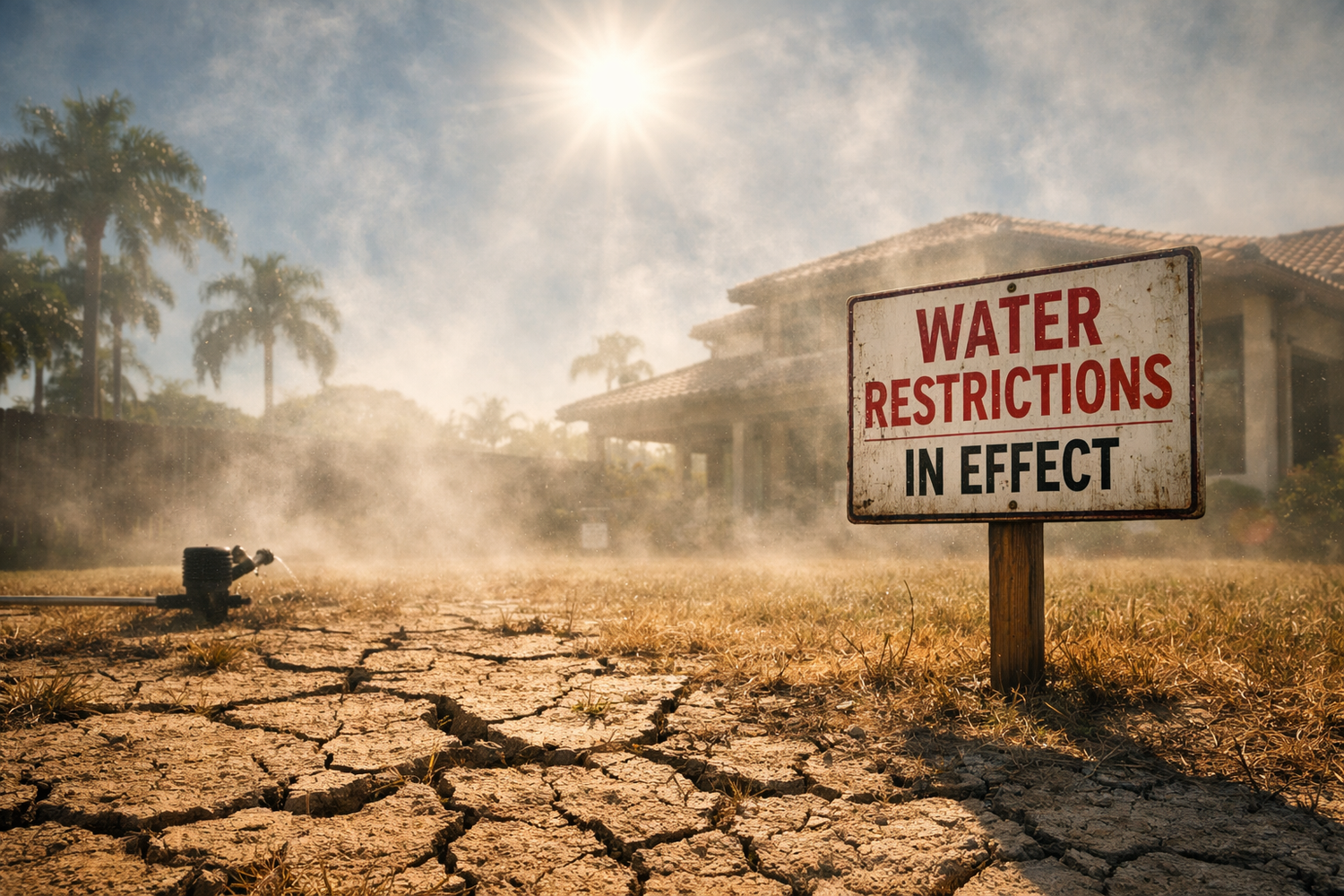
Florida is experiencing increasing drought warnings and watering restrictions across multiple regions. At the same time, communities are still dealing with long-term water quality concerns — including PFAS contamination in groundwater and municipal systems.
Drought Warnings and Restrictions
In areas like Tampa Bay and South Florida, water authorities have implemented conservation measures, including one-day-per-week lawn watering restrictions and formal water shortage warnings.
When drought persists, agencies may escalate from voluntary conservation to enforceable restrictions. Even when rainfall returns, aquifer recovery can take time.
The PFAS Issue in Florida
Beyond drought, Florida communities have faced concerns over PFAS (per- and polyfluoroalkyl substances), often referred to as “forever chemicals.”
PFAS compounds have been detected in various municipal and groundwater sources nationwide. These synthetic chemicals do not easily break down and can persist in water systems for years.
Florida’s Climate Twist: High Humidity Even During Drought
Florida’s climate presents a unique contrast: even during drought periods, many regions maintain high relative humidity, especially along coastal and central corridors.
| Region | Average Relative Humidity | Climate Character |
|---|---|---|
| Miami / Fort Lauderdale | ~74% – 78% | Consistently humid coastal environment |
| Tampa Bay Area | ~71% – 75% | Humid subtropical with strong summer moisture |
| Orlando (Central Florida) | ~72% – 76% | High humidity most of the year |
| Jacksonville (Northeast FL) | ~70% – 74% | Humid, seasonal variability |
| Lake Okeechobee Region | ~73% – 77% | Strong inland humidity, especially summer |
Estimated Atmospheric Water Generation (Gallons Per Day)
Actual output varies by temperature and humidity. Below is a general planning range for atmospheric water generators operating in Florida conditions.
| Region | Typical Daily Output Range (GPD)* | Why Favorable |
|---|---|---|
| Miami / Fort Lauderdale | 4 – 6 gallons per day | High coastal humidity year-round |
| Tampa Bay | 3.5 – 5.5 gallons per day | Strong humidity with warm climate |
| Orlando | 3 – 5 gallons per day | High inland humidity, especially summer |
| Jacksonville | 2.5 – 4.5 gallons per day | Humid but more seasonal variation |
| Lake Regions | 3 – 5 gallons per day | Moist inland air mass support |
*Output estimates depend on model size, airflow, temperature, and installation conditions.
Why NUBE Helps — Especially With PFAS Concerns
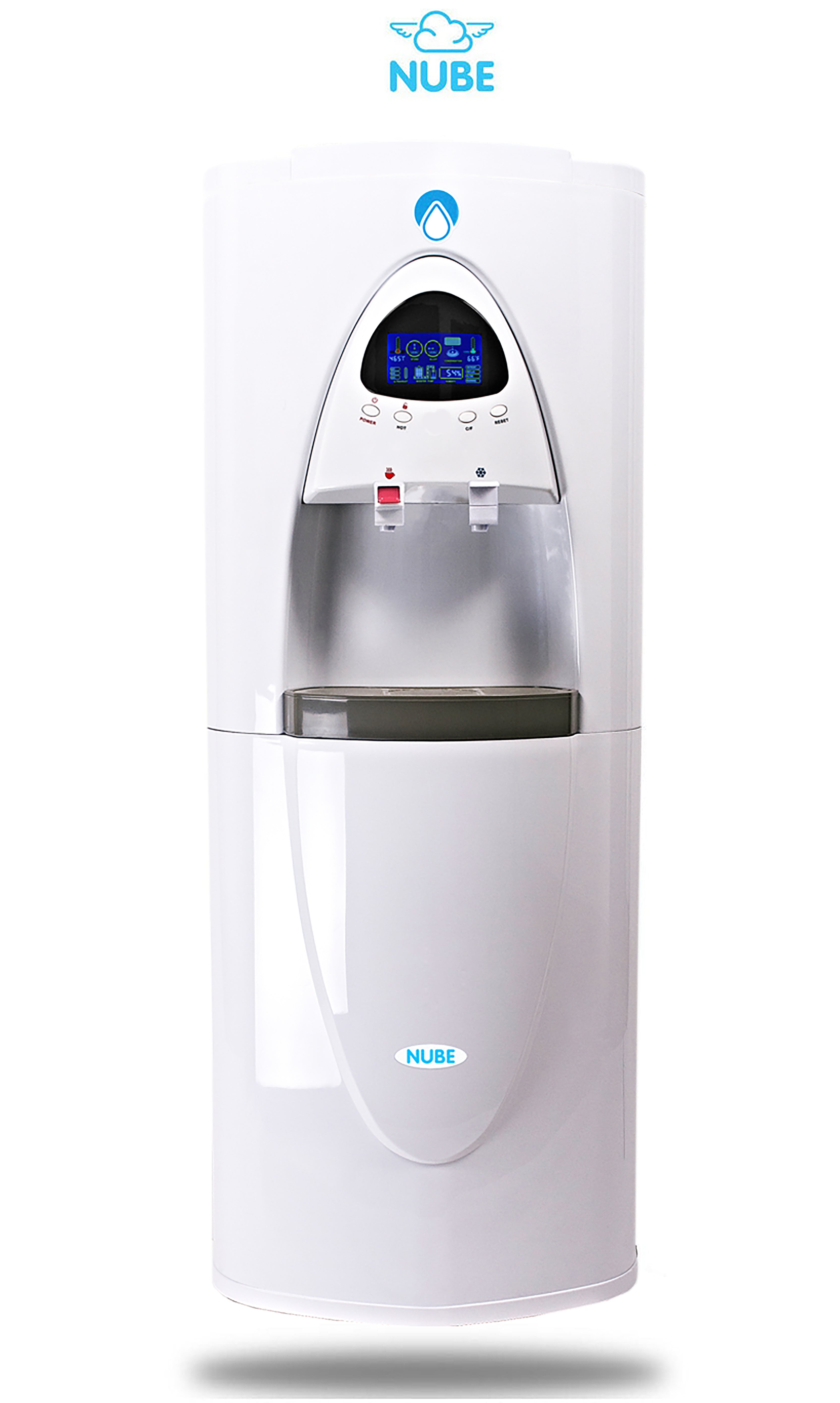
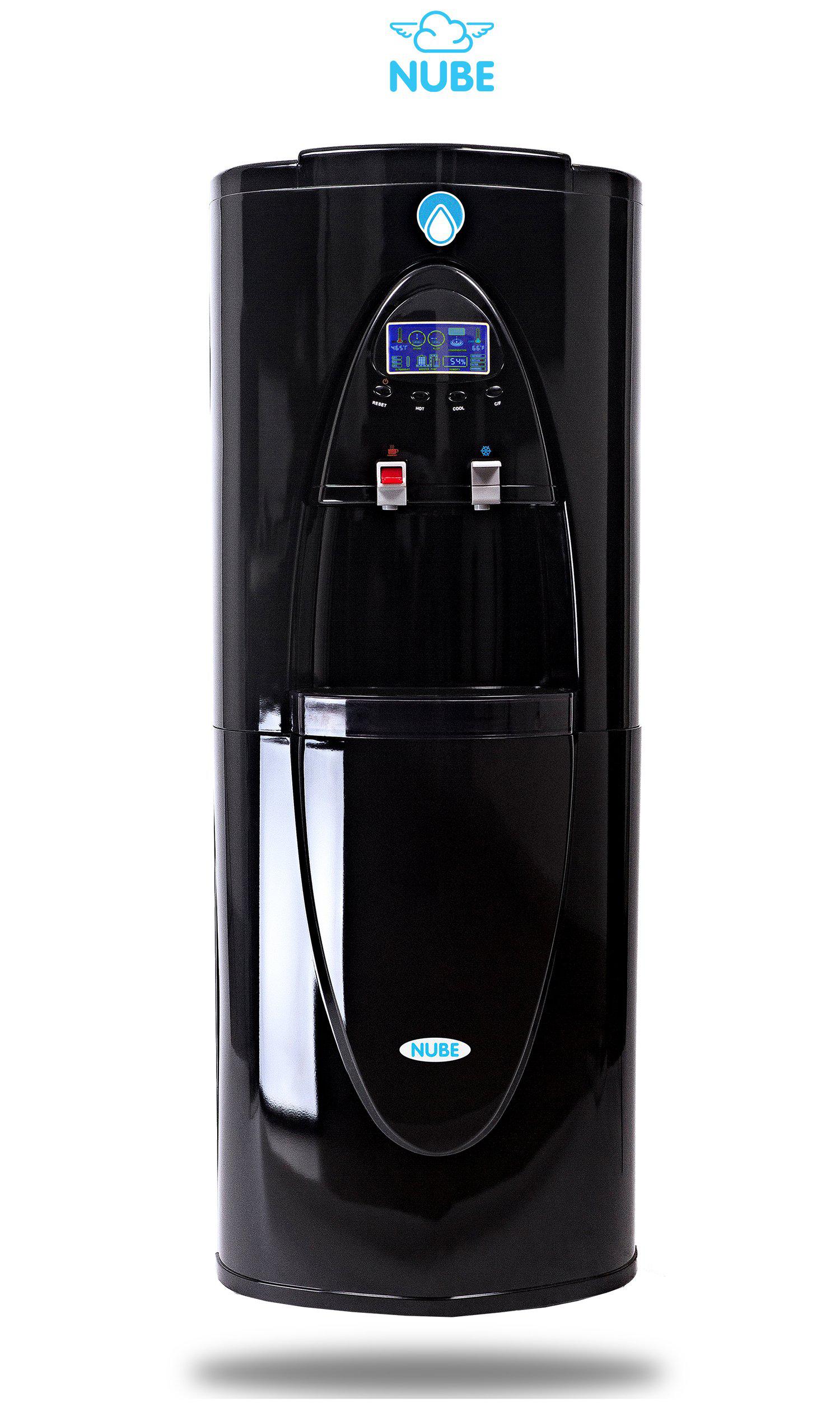
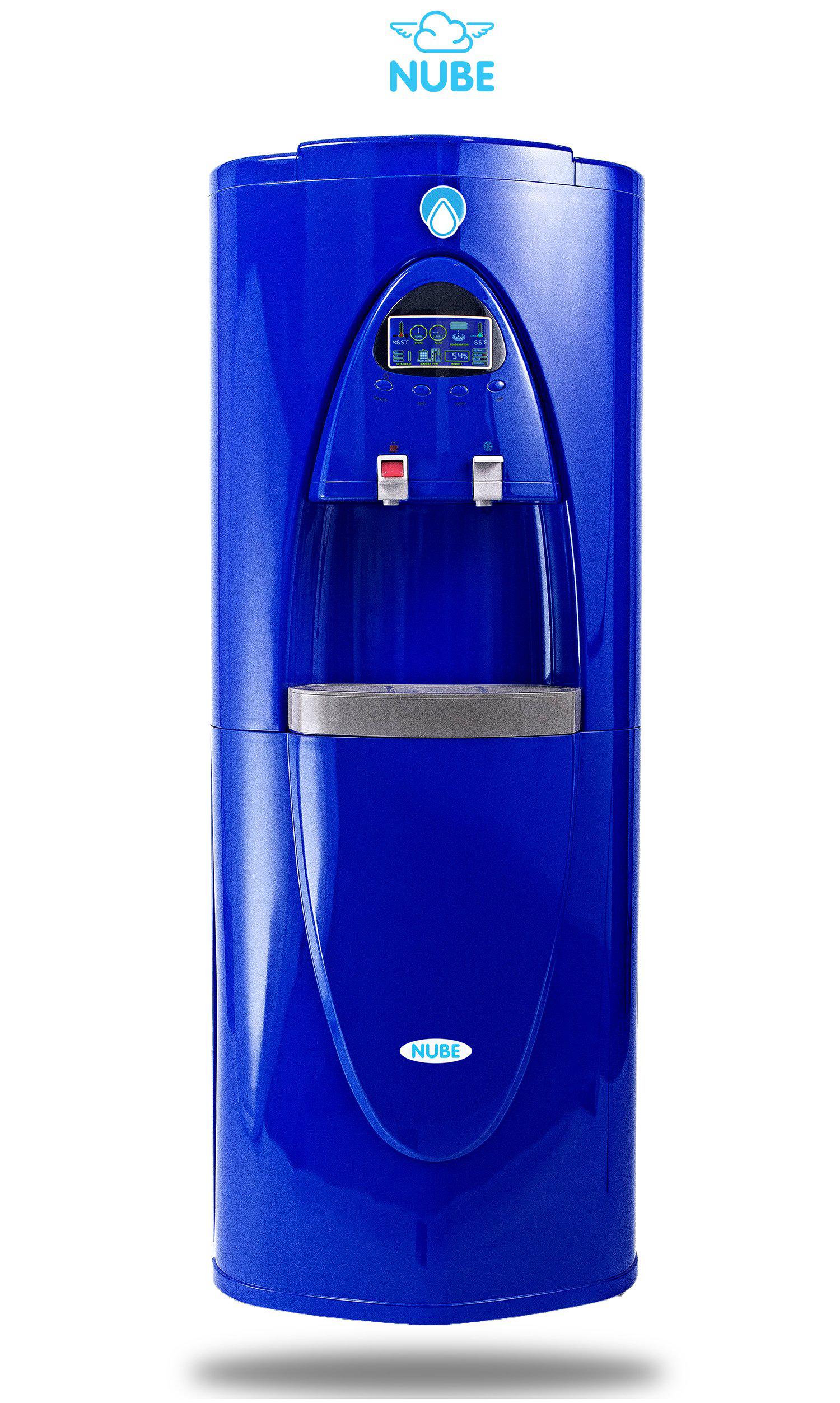
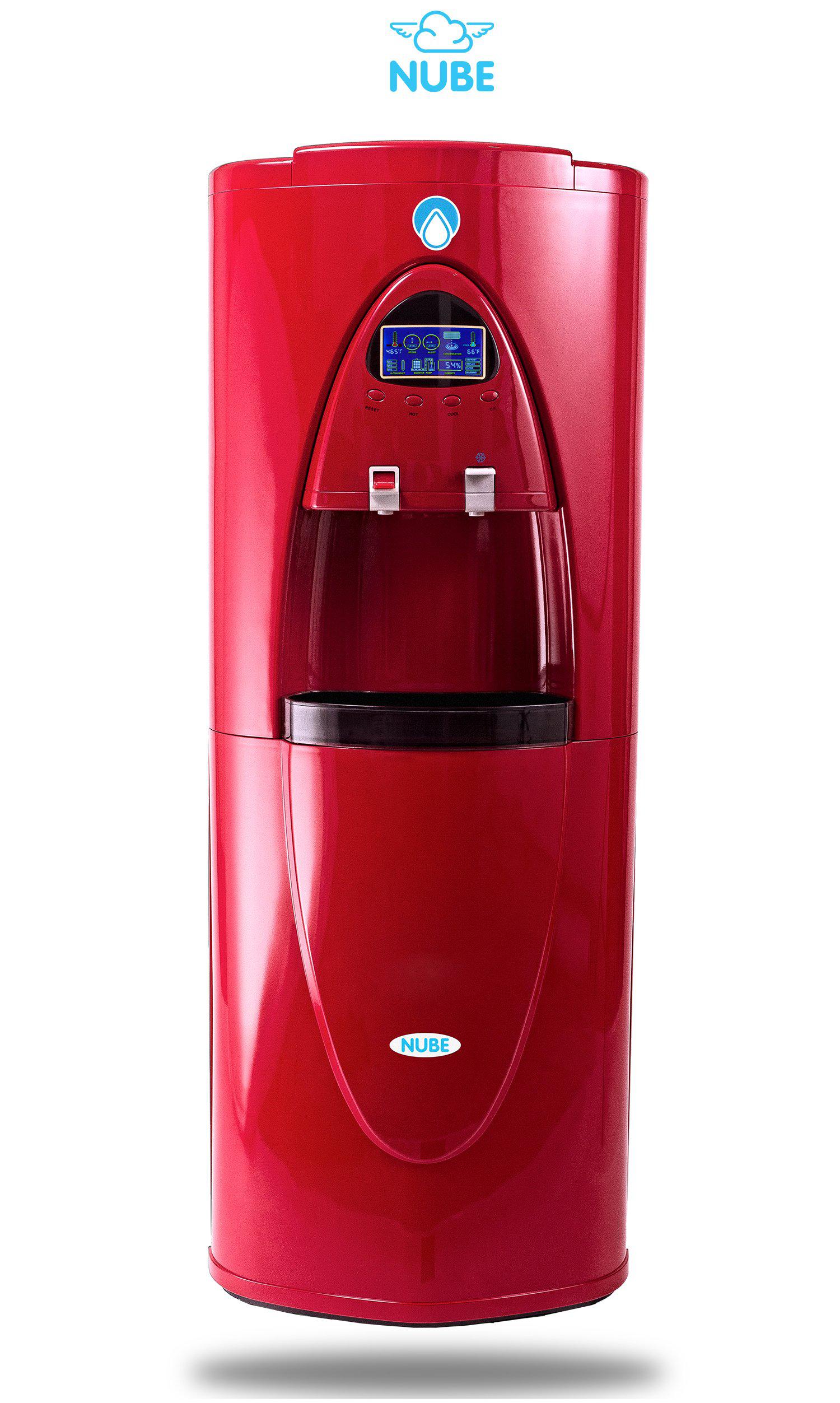
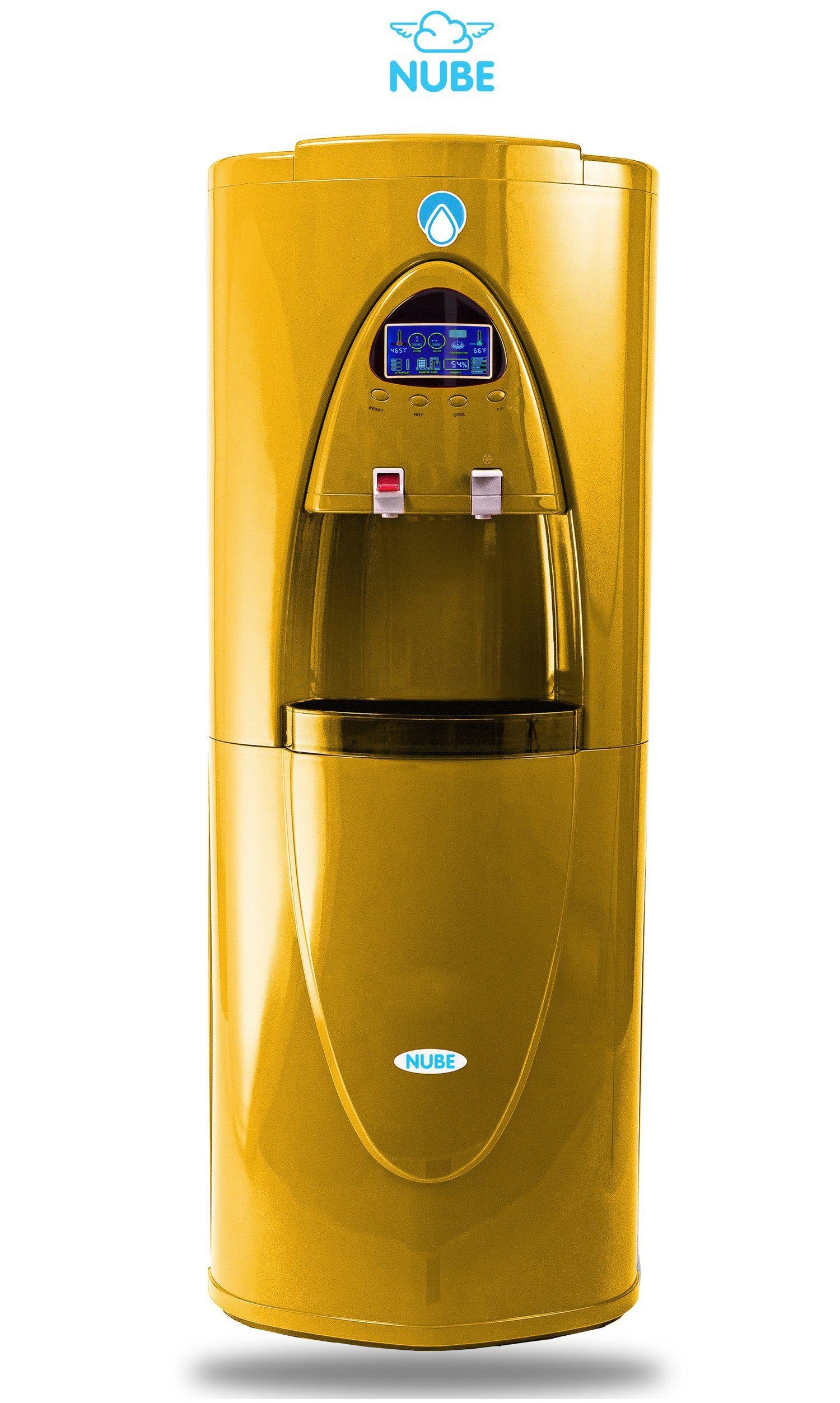
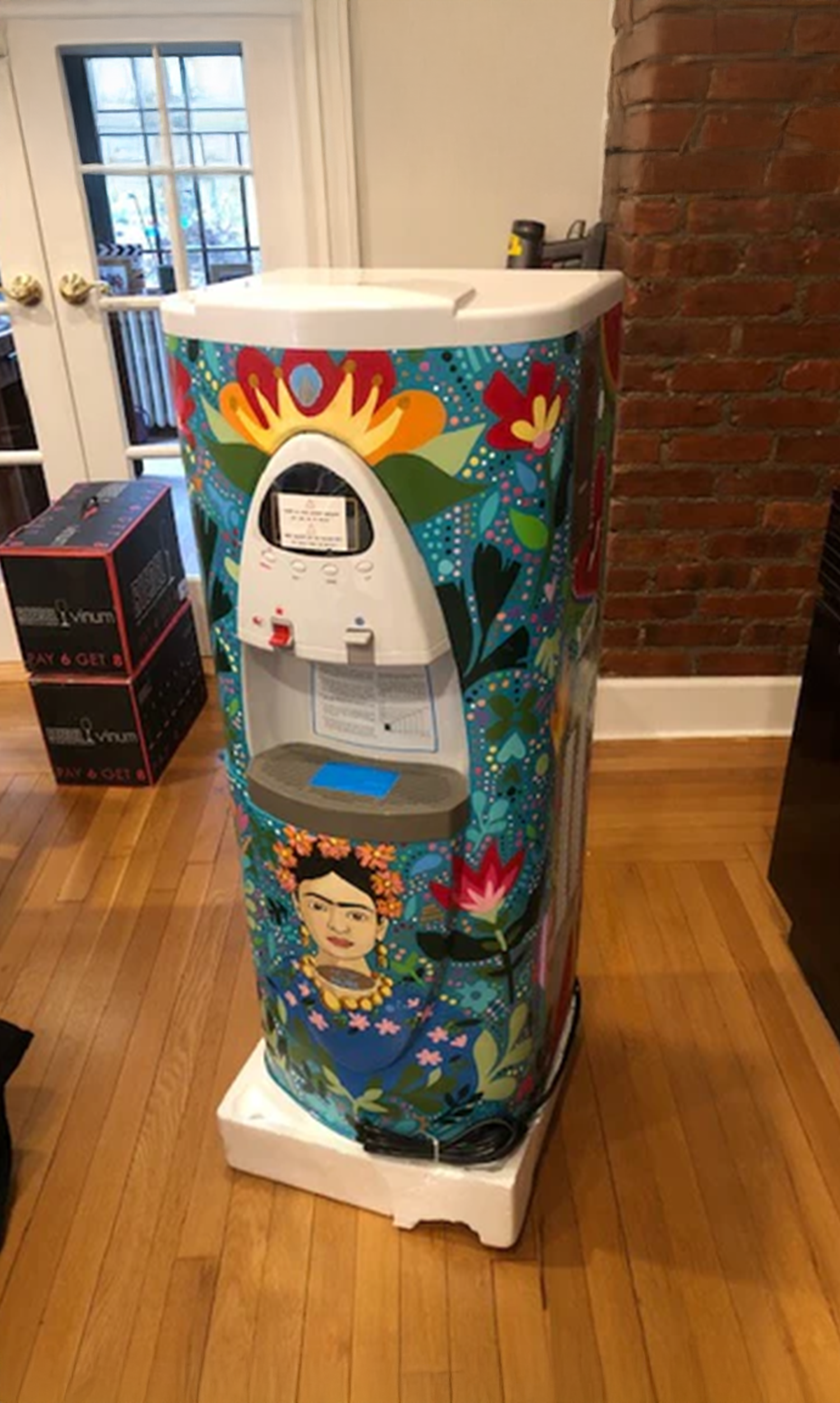
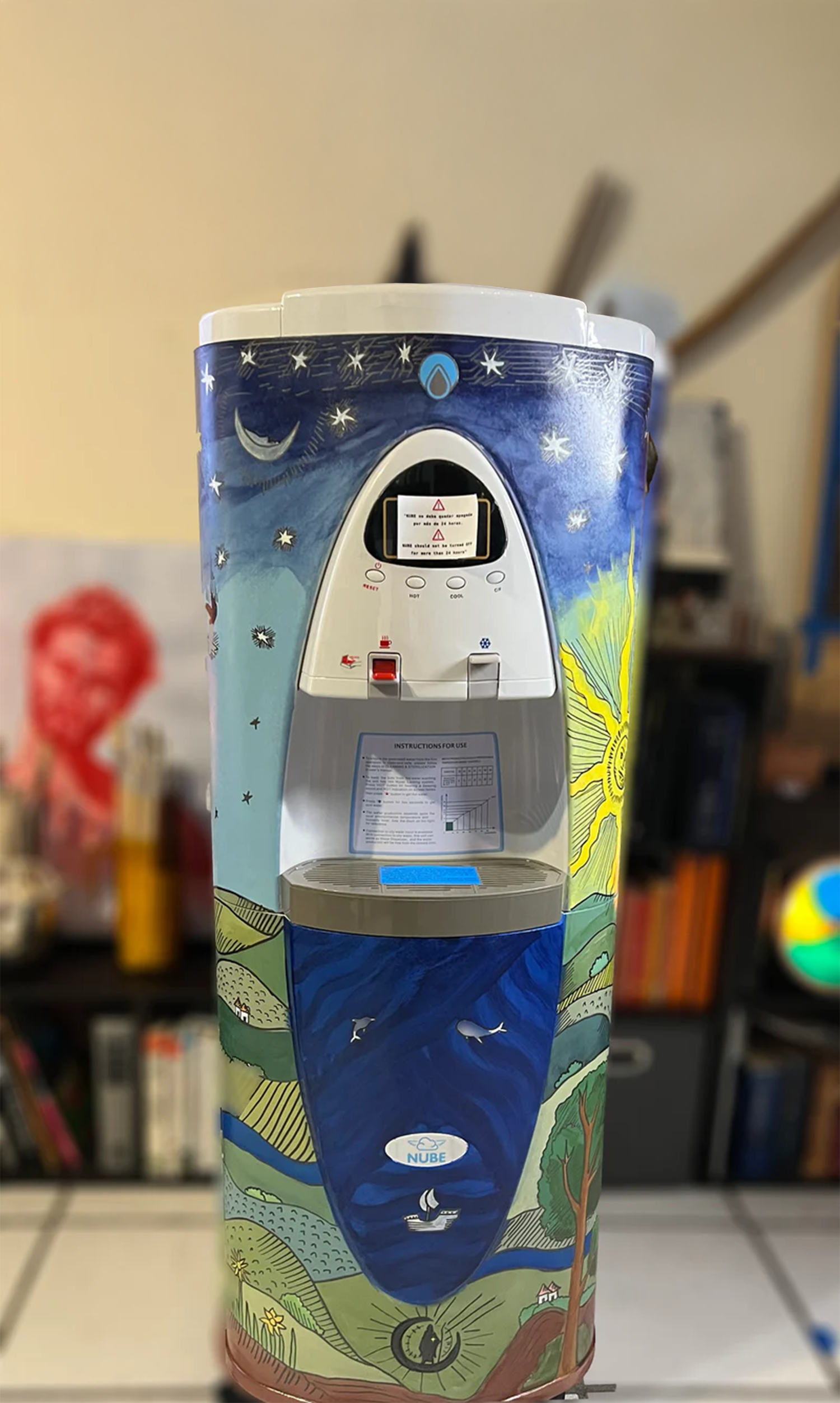
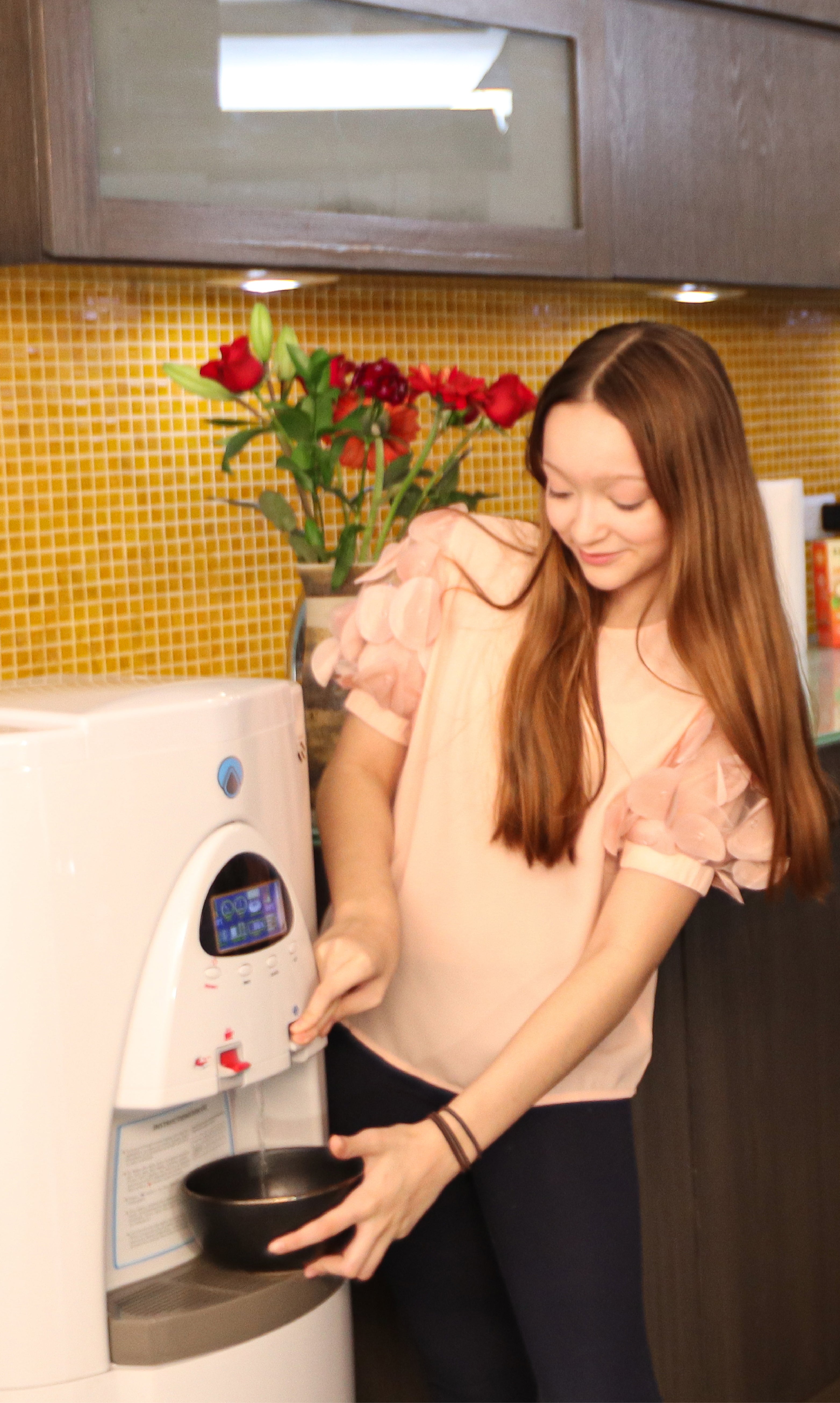
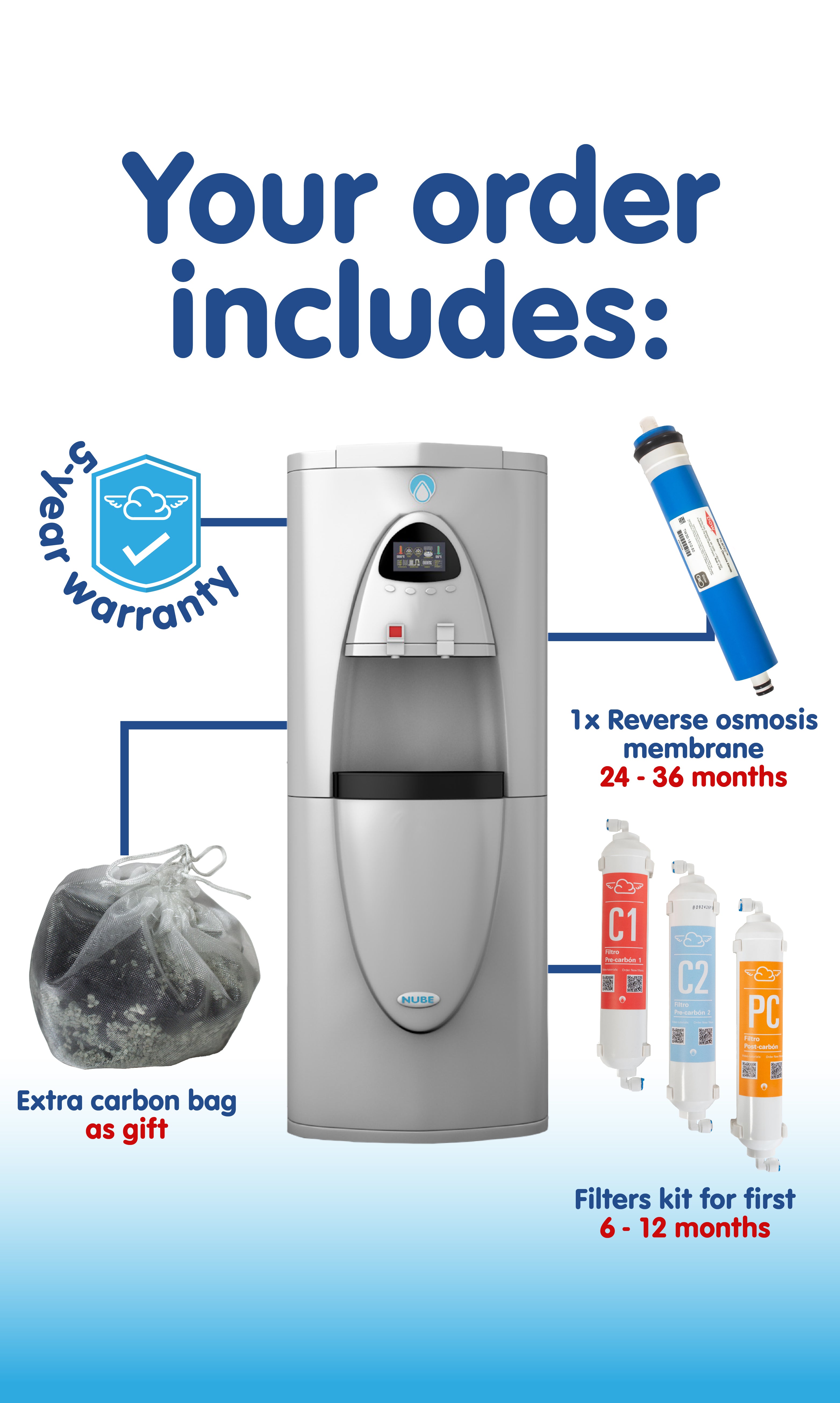
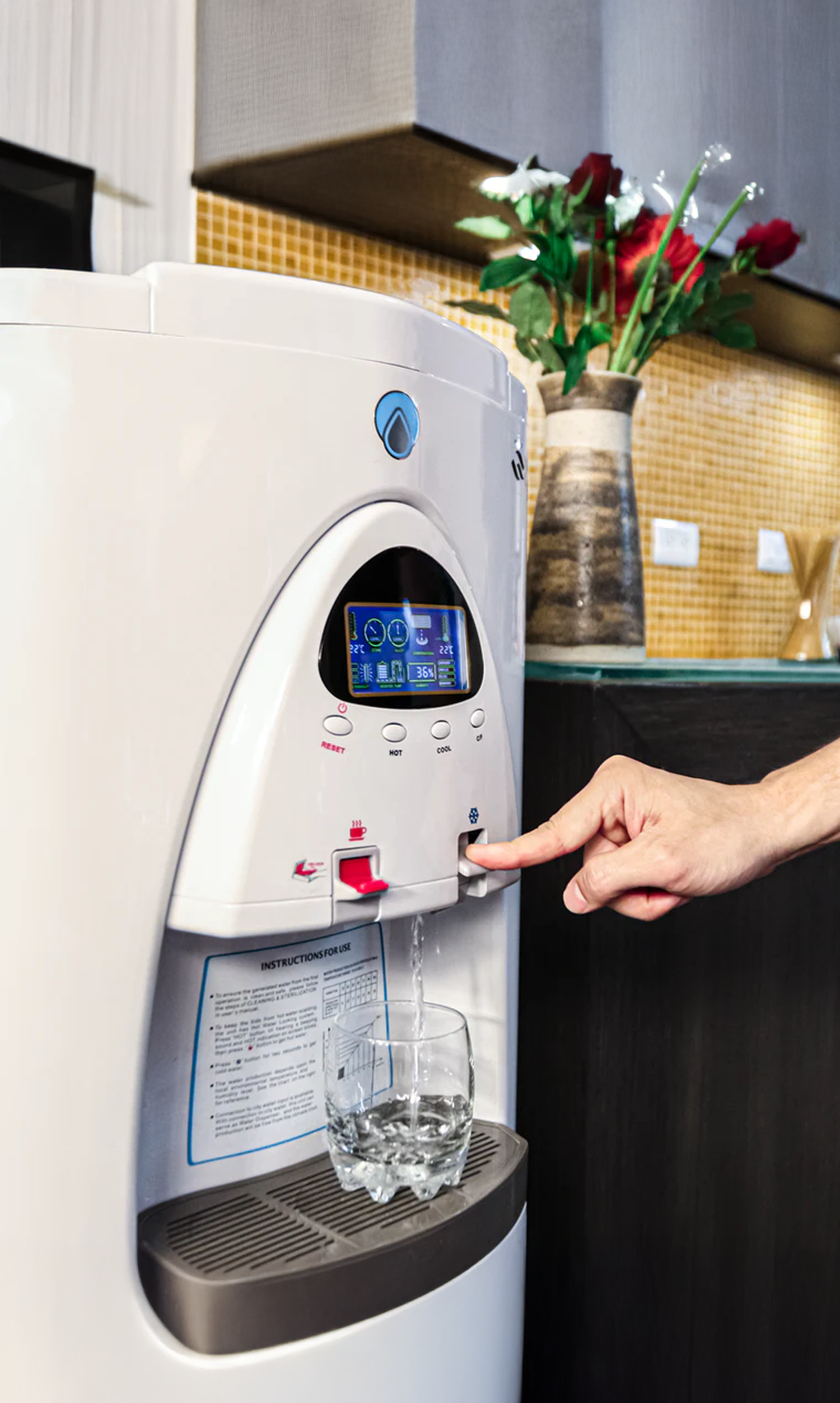
NUBE is an atmospheric water generator that pulls moisture directly from the air, condenses it, and purifies it through multi-stage filtration and mineralization.
How NUBE Addresses Both Issues
- Drought resilience: Generates water independent of stressed municipal supply.
- PFAS avoidance: Because the source is atmospheric humidity — not groundwater or surface water — PFAS contamination pathways are avoided at the source level.
- On-site production: Reduces dependency during restrictions or water quality advisories.
- Humidity advantage: Florida’s climate supports consistent atmospheric water generation.
Florida’s water story is no longer just about rainfall. It’s about infrastructure stress, contamination risks, and long-term resilience.
In a state where humidity remains high — even when reservoirs run low — atmospheric water generation becomes more than innovation. It becomes strategic independence.
Aqua News · When restrictions tighten, your water source shouldn’t.




コメントを書く
すべてのコメントは公開前にモデレーションされます。
このサイトはhCaptchaによって保護されており、hCaptchaプライバシーポリシーおよび利用規約が適用されます。